IT services from development to long-term support
Each service below describes the work involved, what is typically delivered, and the benefits an organisation might expect. Outcomes depend on the specific situation, and these descriptions are draft company copy subject to owner review.
Custom software development
Software built for a defined process rather than adapted from a generic product. Work begins with modelling the process, the data behind it and the people who use it, followed by incremental implementation with review at each step.
Typical deliverables
- Written requirements and agreed scope
- Data model and application architecture
- Working application delivered in reviewable increments
- Source code in your version control, with documentation
- Deployment instructions and handover notes
Potential business benefits
- Fewer manual steps in day-to-day operations
- Processes supported as they actually work
- A system that can be extended as needs change
- Reduced dependence on fragile spreadsheets

Web application development
Browser-based products and internal portals with responsive layouts, considered interaction design and attention to loading behaviour. Content that should be discoverable is server-rendered or pre-rendered rather than assembled only in the browser.
Typical deliverables
- Responsive interface for desktop, tablet and mobile
- Front-end application and supporting back-end services
- Authentication and role-based access where required
- Accessibility and performance review
- Analytics-free, privacy-conscious implementation by default
Potential business benefits
- One consistent place to carry out a workflow
- Access from any modern browser without installation
- Faster page loads and more stable layouts
- Content that search engines can read
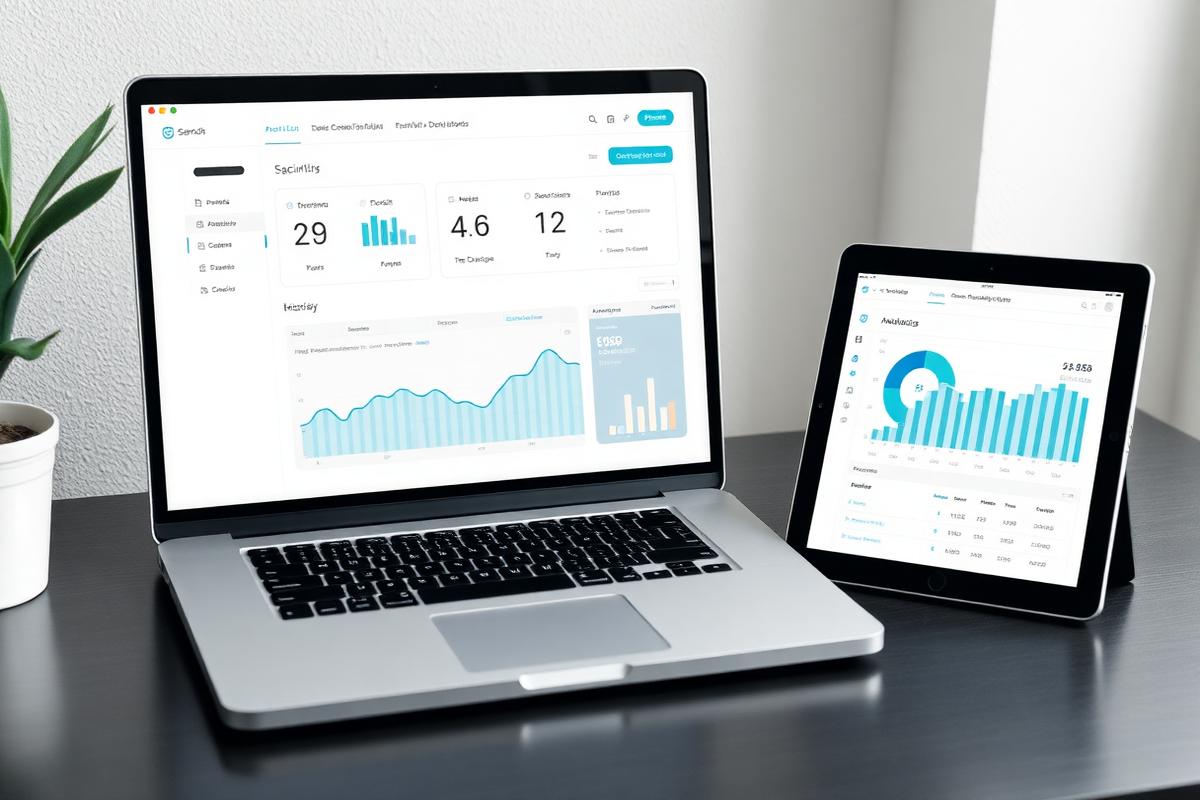
Cloud solutions
Setting up and improving cloud environments so that deploying, observing and recovering software is routine. This covers environment structure, automation, configuration handling, backups and monitoring.
Typical deliverables
- Environment setup for development, staging and production
- Containerised builds and automated deployment pipelines
- Configuration and secret management
- Backup, restore and monitoring routines
- Runbook describing routine operations
Potential business benefits
- Releases that are repeatable and reversible
- Earlier awareness of problems through monitoring
- Capacity to handle growth without redesign
- Clearer separation between test and live systems

API and system integration
Connecting applications so information moves without manual re-entry: internal services, third-party APIs, databases, file exchanges and scheduled synchronisation, with explicit handling of failures.
Typical deliverables
- Integration design with data mapping
- API clients or endpoints with documentation
- Retry, error-handling and logging strategy
- Synchronisation jobs and monitoring
- Test coverage for integration paths
Potential business benefits
- Less duplicate data entry between systems
- More consistent information across tools
- Failures that are visible instead of silent
- Room to adopt new tools without isolation

Software testing and quality assurance
Testing designed to reflect how software is actually used. Automated suites cover repeatable behaviour; manual review covers judgement, unusual paths and presentation across devices.
Typical deliverables
- Test plan covering critical user journeys
- Unit, integration and end-to-end automated tests
- Manual exploratory and cross-device testing
- Defect reports with reproduction steps
- Test execution wired into the deployment pipeline
Potential business benefits
- Fewer regressions reaching users
- More confidence in releasing changes
- Clearer shared understanding of expected behaviour
- Problems found earlier, when they cost less
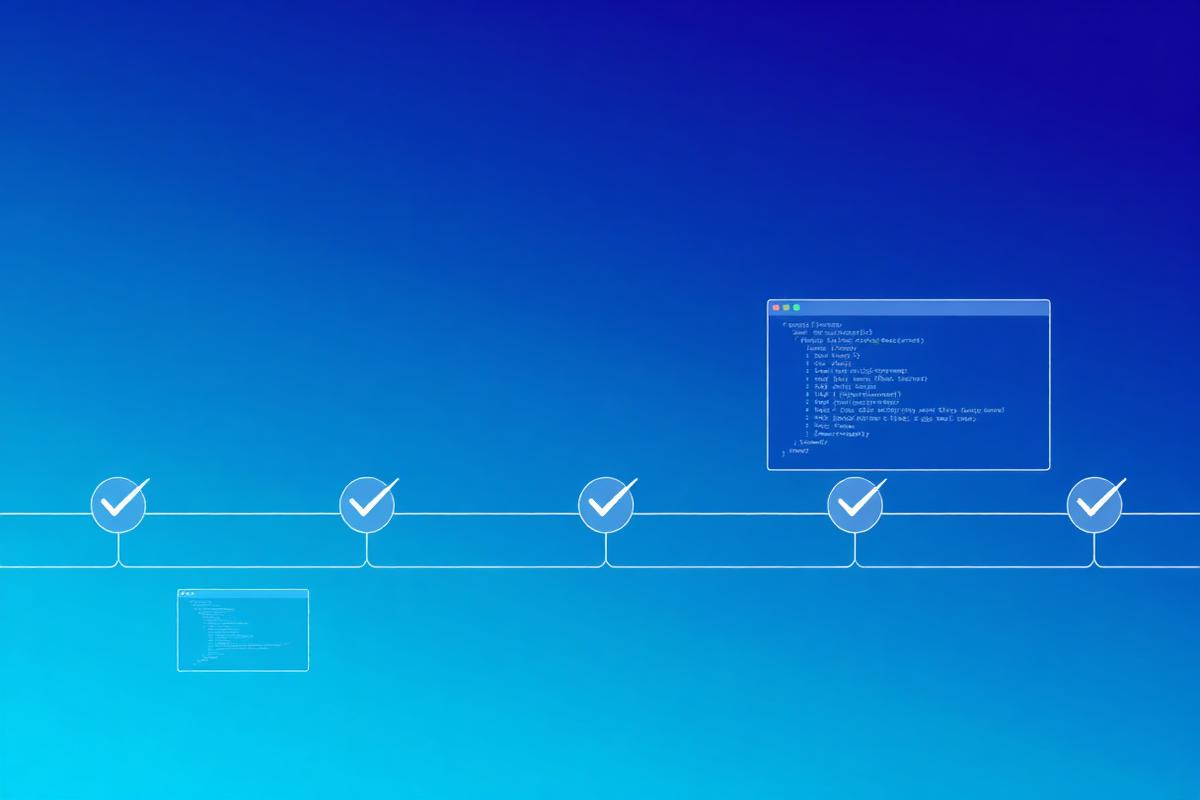
Maintenance and technical support
Ongoing care for software already in use: dependency and security updates, defect fixes, performance attention, monitoring review and planned small improvements.
Typical deliverables
- Agreed support scope and issue-reporting process
- Regular dependency and security updates
- Bug fixes with documented changes
- Monitoring, log review and periodic health reports
- Backlog of prioritised incremental improvements
Potential business benefits
- Longer useful life for existing systems
- Reduced exposure from outdated components
- A known route for reporting and resolving issues
- Steady improvement instead of periodic rebuilds

IT consulting
Independent technical input where a decision needs to be made: reviewing an existing system, comparing approaches, assessing a codebase before investment, or planning how a platform should evolve.
Typical deliverables
- Technical review of the current system or codebase
- Written findings with risks and trade-offs
- Options analysis with indicative effort
- Recommended sequence of work
- Follow-up session to discuss the findings
Potential business benefits
- Decisions grounded in a technical assessment
- Earlier visibility of risk and technical debt
- A clearer sequence for planned investment
- A second perspective independent of a chosen tool

Service enquiries
Written enquiries about any of these services can be sent to stacyhansen19738@gmail.com. Scope, approach and timing are agreed in writing before work begins.